Alpine skiing
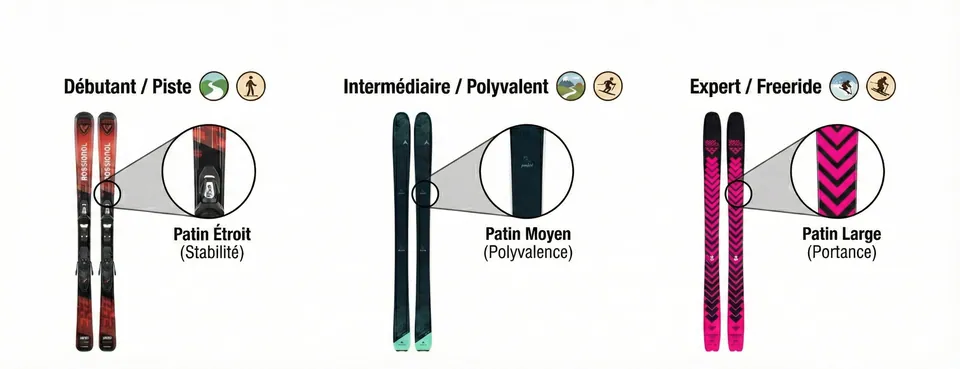
Waist width: how to choose the right skis
Getting ready for the season, choosing the skis that suit us best has turned into a real technical headache. Between brand marketing and all the jargon, it's easy to get lost! So let's look at one crucial point: waist width. It's a small measurement in millimetres, taken at the narrowest point under your boot, and it can decide whether your day is pure joy or a bit of a struggle.
Contents
Getting ready for the season, choosing the skis that will suit us best has become a real technical headache. Between brand marketing and specialist jargon, it's easy to get lost!
So let's look at one crucial point: waist width.
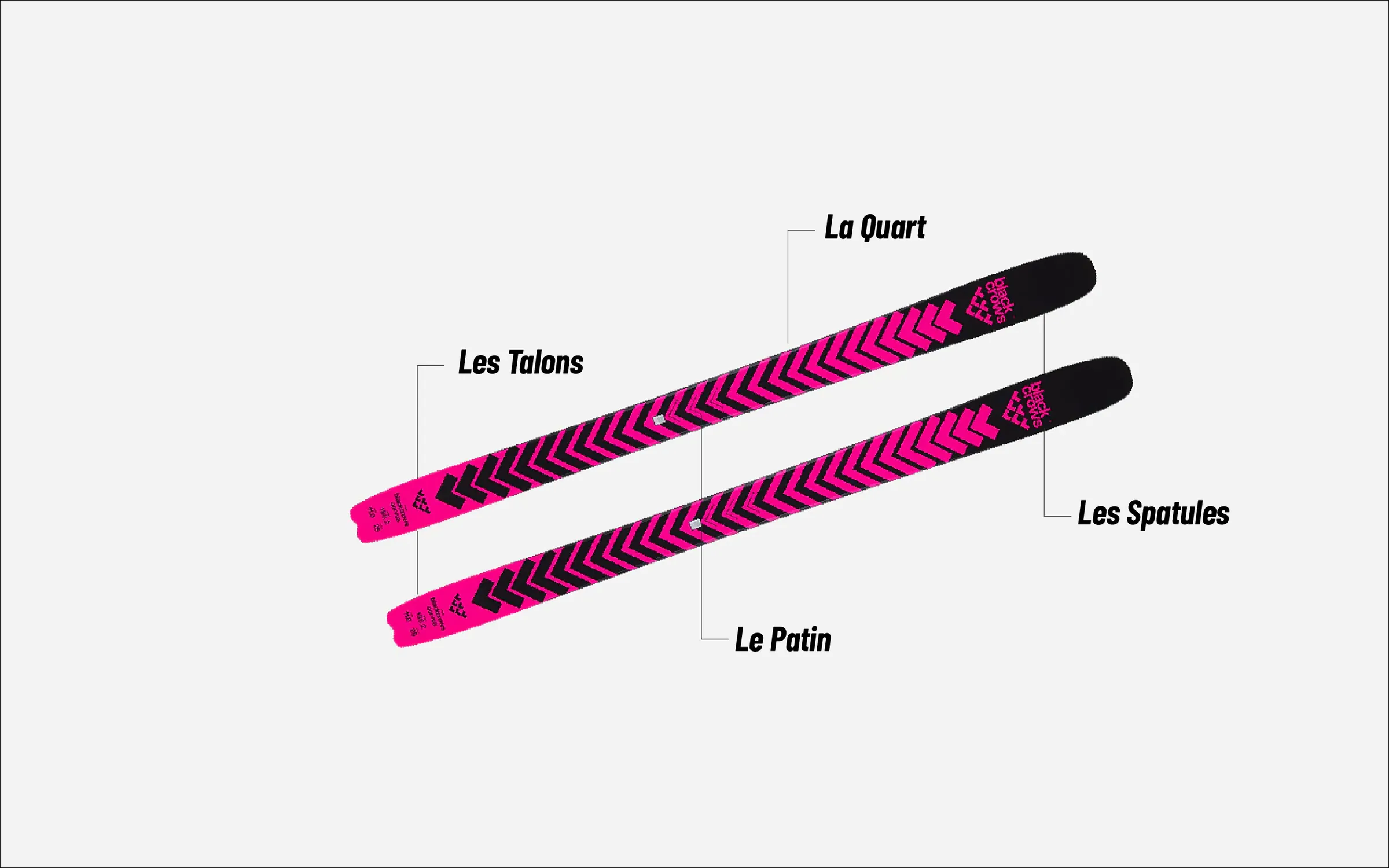
It's a tiny measurement in millimetres, taken at the narrowest point under your boot, and it can decide whether your day is pure joy or a struggle.
Why does width make such a difference on piste?
Let's keep it simple: on hard-packed or icy pistes, you need to tilt your ski so that the edges grip the snow.
If you turn up on very wide skis on firm, hard snow, your muscles will have to work enormously hard to hold the angle (the leverage effect). That's when your day can turn into a slog.
Style versus reality
Huge skis look fantastic, but be careful: you could struggle if you plan to stick to the pistes.
Skiing on hard snow with skis that are too wide takes a lot more effort to control them, and forces you into an unnatural position (often with your knees caving inwards).
That's why it's important to choose a waist width that suits your level (ask a professional for advice) and the terrain you'll be riding.
When should you choose a wide waist?
As you'll have gathered, a wide waist takes more effort to handle on piste. But if you want to have fun in powder, it can become your best friend!
A wide waist increases the contact surface and helps you float on top of the snow rather than sink into it ("flotation"). That's what gives you that surfing feeling.
Here's a quick guide to help you find your way:
Category | Waist width (mm) | Main use | Typical profile |
|---|---|---|---|
Performance piste | 70-84 mm | Carving, groomed snow | Racing / Intermediate to Advanced |
All-Mountain | 84-94 mm | 70% on piste / 30% off piste | All-round skier |
Freeride Mid | 95-105 mm | Powder, piste edges | Regular freerider |
Powder (Deep powder) | Over 105 mm | Deep snow | Expert / Big powder days |
Touring | 85-95 mm | Balanced uphill and downhill performance | Advanced / Ski tourer |
The bottom line: be honest about how you ski
To sum up, the most important thing is to be honest with yourself about how you ski.
If you spend 80% of your time on groomed pistes, don't buy giant freeride skis just to look good in photos or in the lift queue. Choose wisely, so that your legs last until the lifts close!
Don't forget to adjust the length of your skis to their shape (rocker, camber) as well.
Happy riding, everyone, and enjoy the powder!
Automatically translated from French.
Book your experience
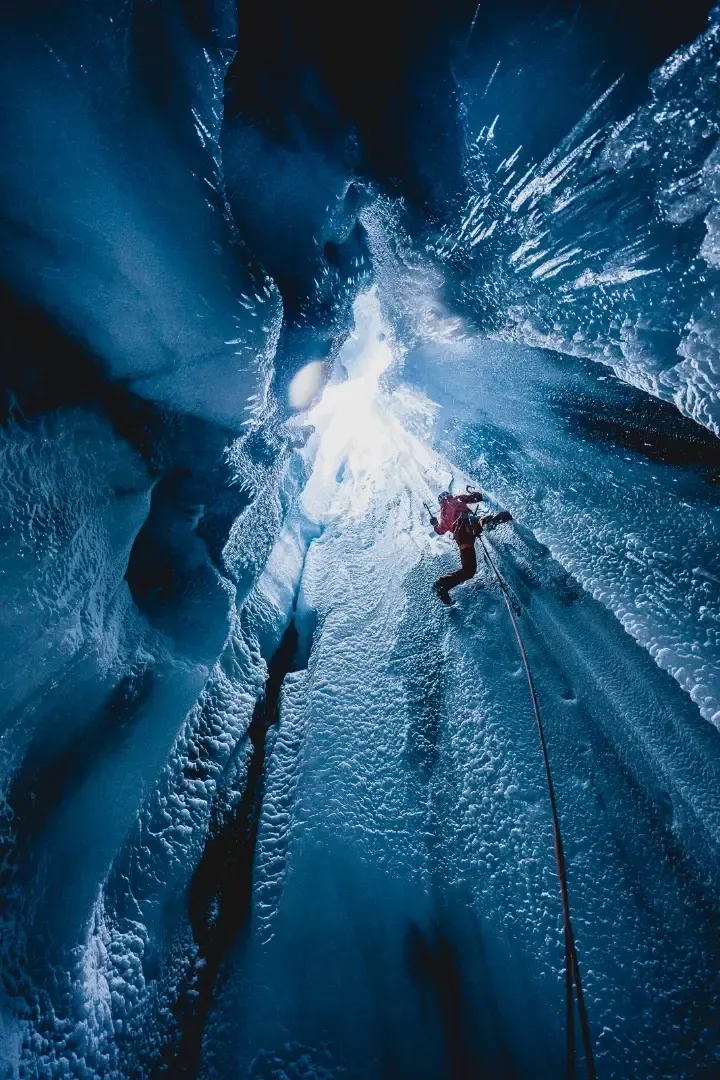 Ice climbing New
Chamonix-Mont-Blanc · Northern Alps
Climbing in the moulins of the Mer de Glace
From €660 / person
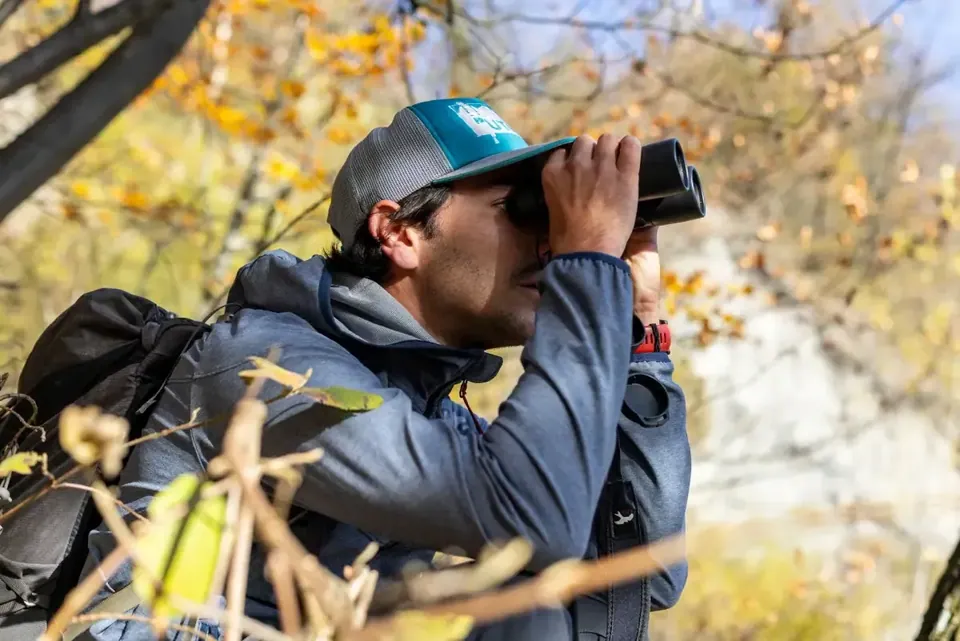 Nature discovery New
Chamonix-Mont-Blanc · Northern Alps
Discover the ecosystems of our mountains
From €53.90 / person
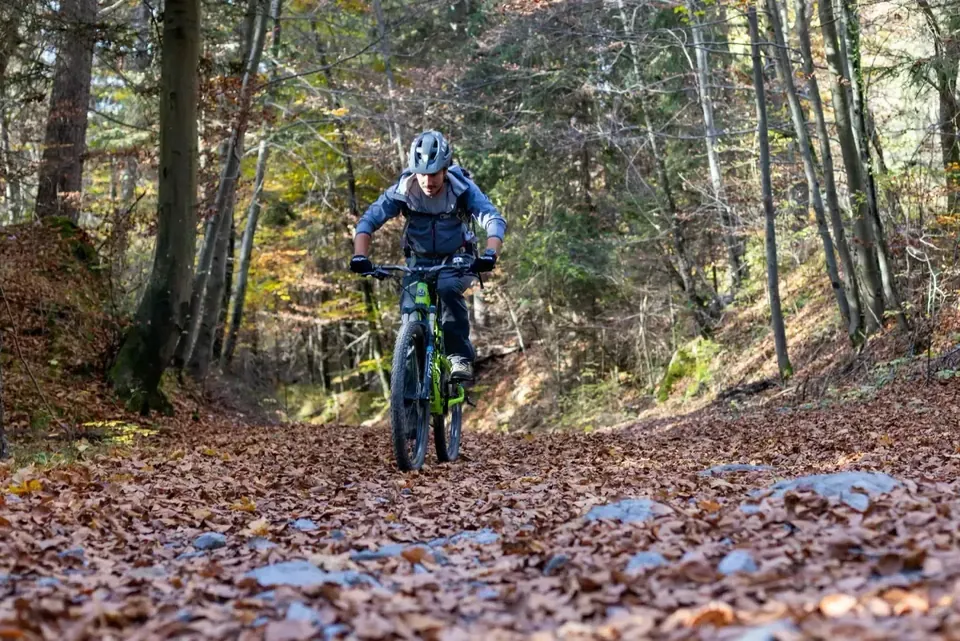 Mountain biking New
Chamonix-Mont-Blanc · Northern Alps
Mountain bike skills course in Chamonix
From €152.90 / person
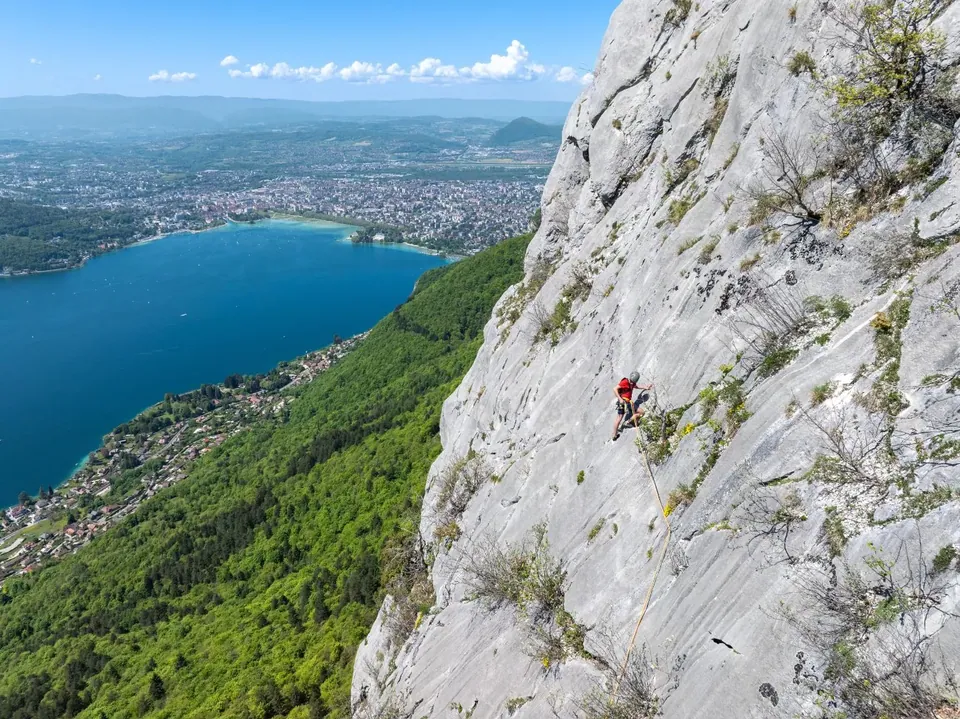 Climbing New
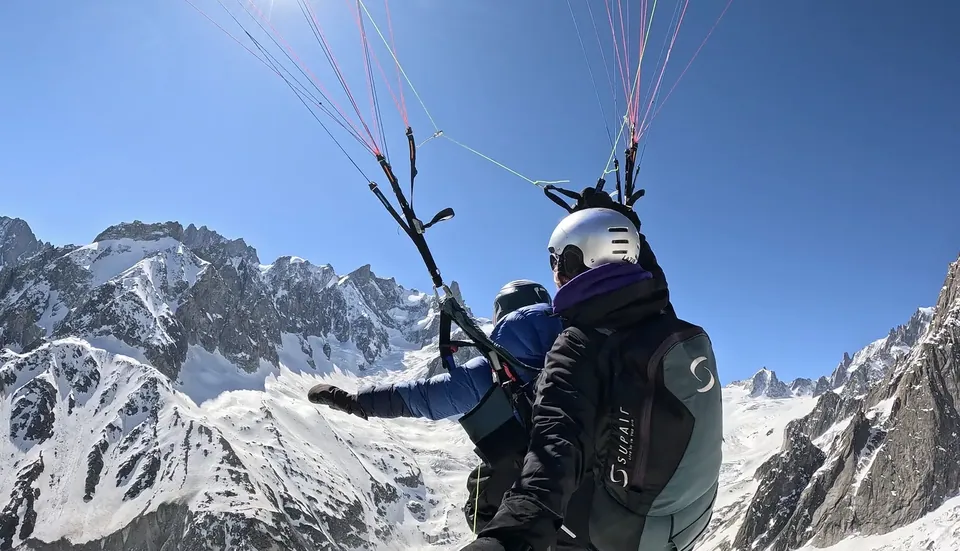 Paragliding New
Chamonix-Mont-Blanc · Northern Alps
Paragliding flight from the Plan de l'Aiguille
From €176 / person
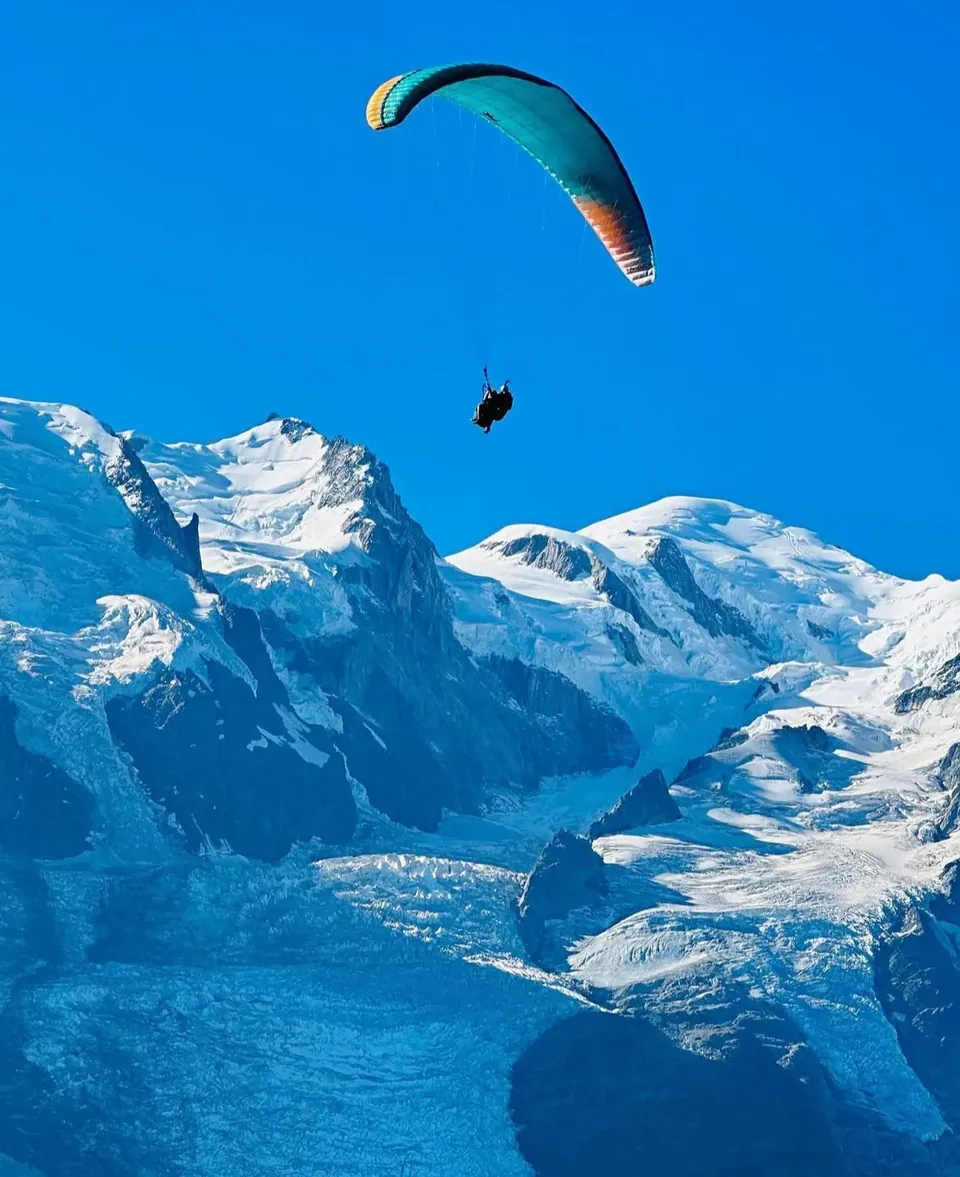 Paragliding New
Chamonix-Mont-Blanc · Northern Alps
Tandem paragliding flight with views of Mont-Blanc
From €165 / person