Climbing
Climbing in the moulins of the Mer de Glace: head into the heart of Chamonix's glacier
Climbing the ice wells of the Mer de Glace in Chamonix: grade, season, access and price of an outing with a mountain guide. Note: I should keep it faithful. "Puits de glace" are moulins/ice wells; "guide de haute montagne" = mountain guide. Actually, replying with the translation only: Climbing the ice shafts of the Mer de Glace in Chamonix: level, season, access and price of a day out with a mountain guide.
Contents
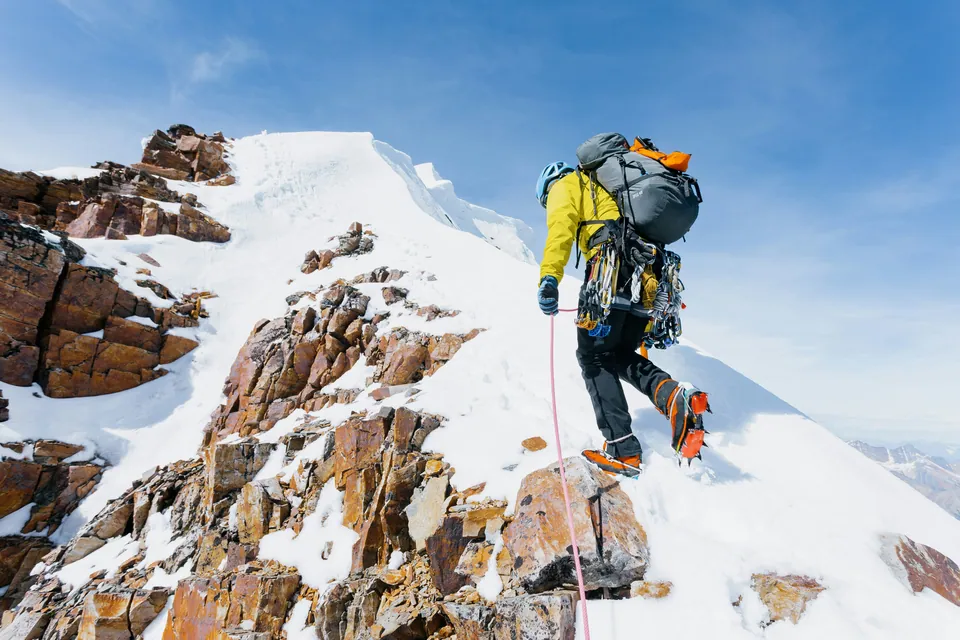
In short: this ice climbing outing (sometimes called "ice cascade" climbing) takes place on the Mer de Glace, the largest glacier in France, in the Mont-Blanc massif, with a night bivouacking on the moraine. You'll climb with ice axes and crampons among the glacier's ice formations, watch the sun set and rise over the glacier, and enjoy a fondue at the edge of the ice in the evening. A mountain guide leads the outing, which runs mainly from autumn to late winter, depending on conditions. On PEAKED, you can book it from €600 with Jeff Mercier, a mountain guide in Chamonix.
Ice climbing on the Mer de Glace: an outing like no other
This isn't just a day's climbing: you spend the night on the glacier. The outing combines ice climbing on the Mer de Glace with a bivouac on the moraine. You'll watch the sun set over the peaks, share a fondue at the edge of the glacier in the evening, and wake up to the sunrise. It's a rare experience, far more immersive than a day-long introduction, set in one of the most spectacular landscapes in the Alps, at the foot of the Drus and the Grandes Jorasses.
What is the Mer de Glace, and why climb here?
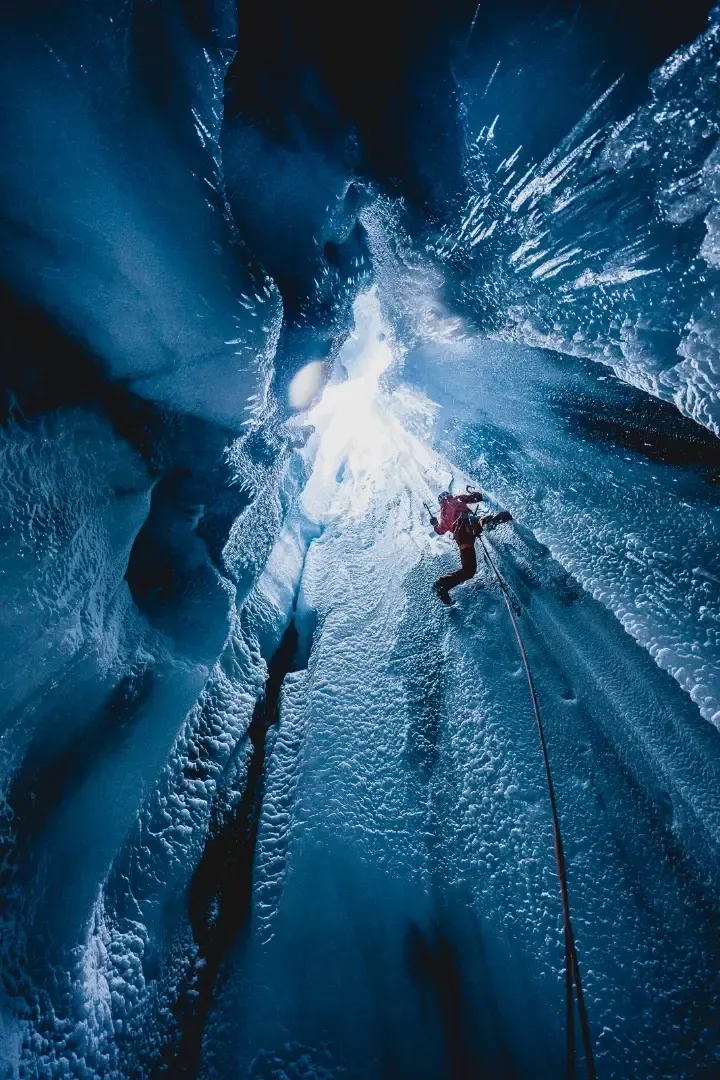
The Mer de Glace is the largest glacier in France. Meltwater sculpts its surface, carving out unique features: moulins (vertical shafts in the ice), supraglacial streams (small rivers running across the surface), meanders and crystalline walls. When the cold sets in, these formations freeze and create ice climbing terrain you won't find anywhere else.
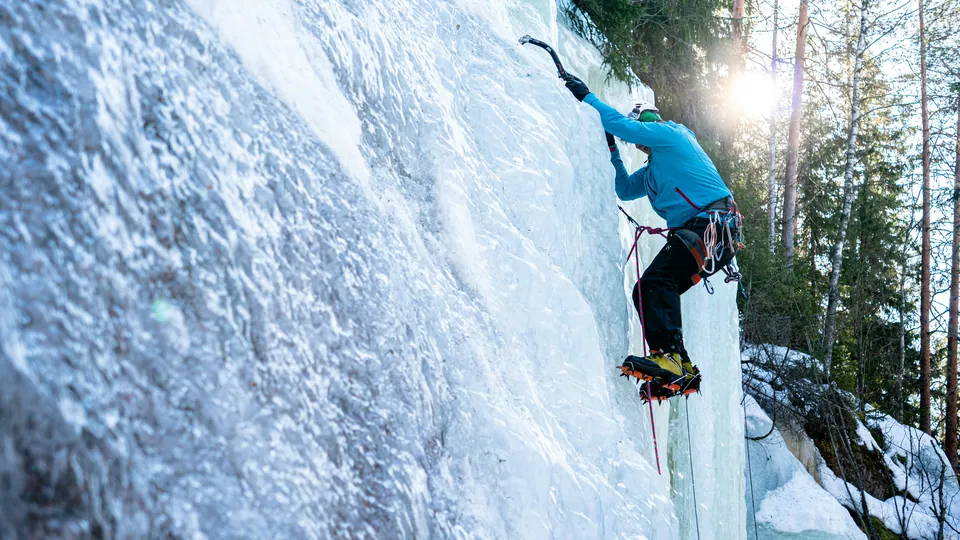
This is what's commonly known as "ice cascade" climbing: climbing vertically up these frozen features, right in the heart of the glacier.
Beyond the climbing, sleeping out here also lets you see up close how a living glacier works, and see for yourself the very real effects of climate change on the Mer de Glace.
Do you need to be a climber to take part?
You don't need to be an experienced climber, but this is no simple stroll. Ice climbing is done with technical ice axes (one in each hand) and crampons on your feet, a technique your guide will teach you on site. What you do need is good physical fitness and a head for heights, as you'll be climbing vertically on ice. You'll also need to be happy spending a night out in mountain conditions. A little knowledge of rope work is a plus, but not essential.
How does the outing work?
From Chamonix, you travel to the Mer de Glace on the Montenvers train, then take the Glacier cable car down to the surface of the glacier. Once there, your guide introduces you to ice climbing: how to place your ice axes and crampons, how to belay, and how to climb safely among the frozen features.
At the end of the day, it's time to settle into your bivouac on the moraine. Your guide provides a tent, and you share a fondue at the edge of the glacier as the sun sets over the peaks. When you wake, the sunrise over the Mer de Glace awaits, a moment very few people are lucky enough to experience. The outing is led by a qualified mountain guide (IFMGA certified), in a small group.
What's included in the price?
You can book the outing from €600 on PEAKED, directly with Jeff Mercier.
The price includes the mountain guide's services, the evening meal (fondue, bread and dessert) and the use of a tent.
Not included: lift passes (the Montenvers train and the cable car), hire of personal equipment, food for the day and breakfast, and the loan of a sleeping bag and mat. So remember to bring your own sleeping bag, sleeping mat, warm clothing and suitable footwear.
When is the best time to go?
Ice climbing on the Mer de Glace is possible from autumn, when the cold starts to freeze the glacier's features, until late winter. It's very dependent on conditions: the quality of the ice depends on the cold, and your guide adapts each outing to the state of the glacier on the day. This reliance on the weather is part of the adventure.
Why book a guide through PEAKED?
Ice climbing and bivouacking on a glacier aren't things you can improvise. You're moving on living terrain, with crevasses and changing conditions, so a mountain guide is absolutely essential. On PEAKED, you book an IFMGA-certified guide directly, in this case Jeff Mercier in Chamonix, at a transparent price with no intermediary. You talk to him directly to prepare the outing and adapt it to the conditions.
Book Jeff Mercier's ice climbing outing on PEAKED →
Want to discover more adventures in Chamonix? See all our activities in Chamonix or, for a different way to gain some height, read our guide to paragliding in Chamonix
Automatically translated from French.
Frequently asked questions
Do you need experience for ice climbing in Chamonix?
No, you don't need any climbing experience. Your guide will teach you the ice technique (ice axes, crampons) on site. The real requirements are good physical fitness and being comfortable spending a night in a mountain bivouac.
How much does an ice climbing outing in Chamonix cost?
You can book the outing from €600 on PEAKED. The price includes the guide's services, the evening meal (fondue, bread, dessert) and the use of a tent. Lift passes, hire of personal equipment, food for the day, breakfast, sleeping bag and sleeping mat are not included.
Where is the bivouac?
On the moraine of the Mer de Glace, at the edge of the glacier, with the sun setting and rising over the Mont-Blanc massif.
When is the best time for ice climbing on the Mer de Glace?
Ice climbing on the Mer de Glace runs from autumn to late winter, when the cold freezes the glacier's features. Your guide adapts each outing to the state of the ice on the day.
How do you get to the Mer de Glace?
Take the Montenvers train from Chamonix, then the Glacier cable car, followed by a walk across the glacier to reach the site.
Is it dangerous?
The outing takes place on a glacier with crevasses, so a mountain guide is absolutely essential. With a guide, in a small group and with the right equipment, it's accessible to motivated beginners who are in good physical shape.
Book your experience
 Ice climbing New
Chamonix-Mont-Blanc · Northern Alps
Climbing in the moulins of the Mer de Glace
From €660 / person
 Climbing New
 Paragliding New
Chamonix-Mont-Blanc · Northern Alps
Paragliding flight from the Plan de l'Aiguille
From €176 / person
 Paragliding New
Chamonix-Mont-Blanc · Northern Alps
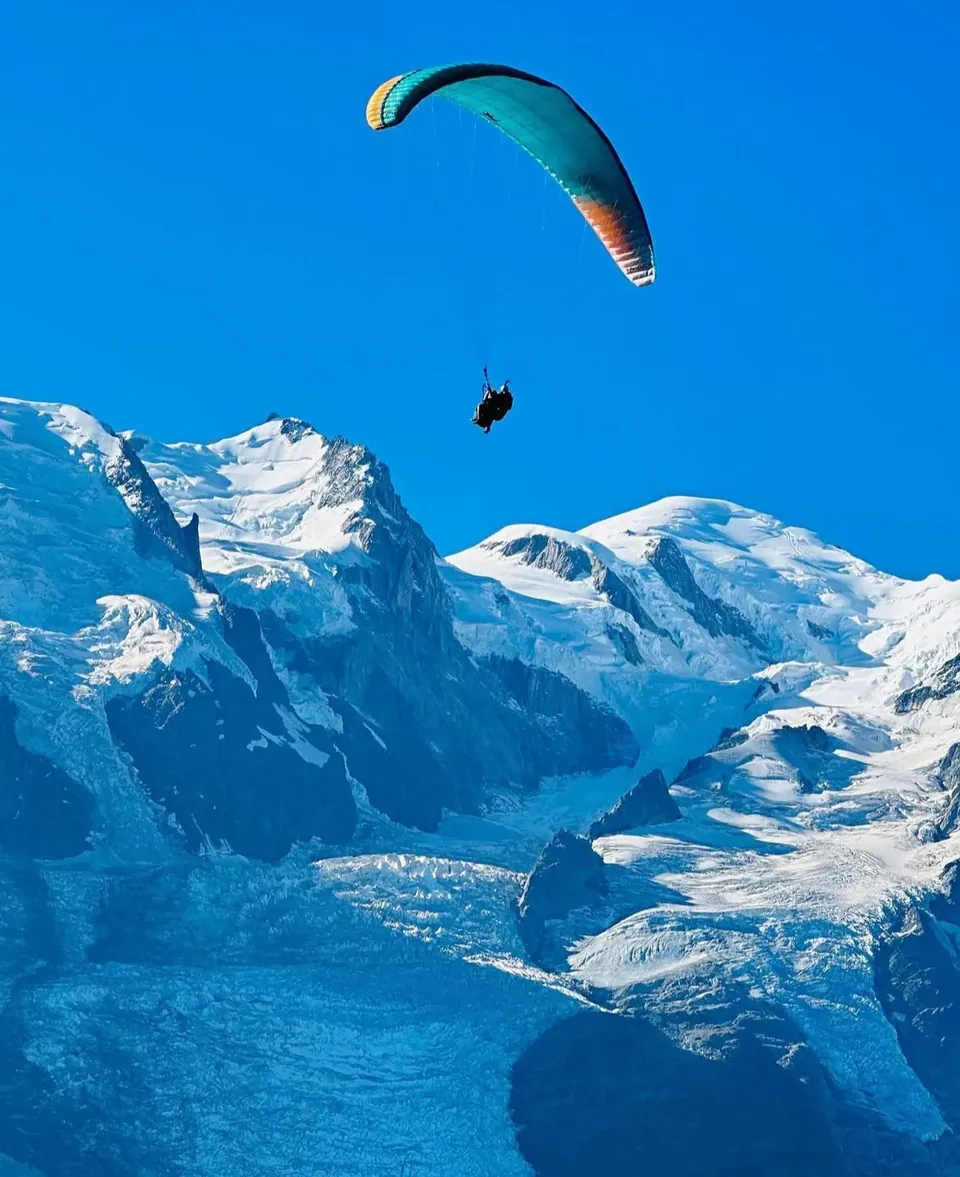
Tandem paragliding flight with views of Mont-Blanc
From €165 / person
 Nature discovery New
Chamonix-Mont-Blanc · Northern Alps
Discover the ecosystems of our mountains
From €53.90 / person
 Mountain biking New
Chamonix-Mont-Blanc · Northern Alps
Mountain bike skills course in Chamonix
From €152.90 / person