Climbing
Mountaineering: as spectacular as it is dangerous
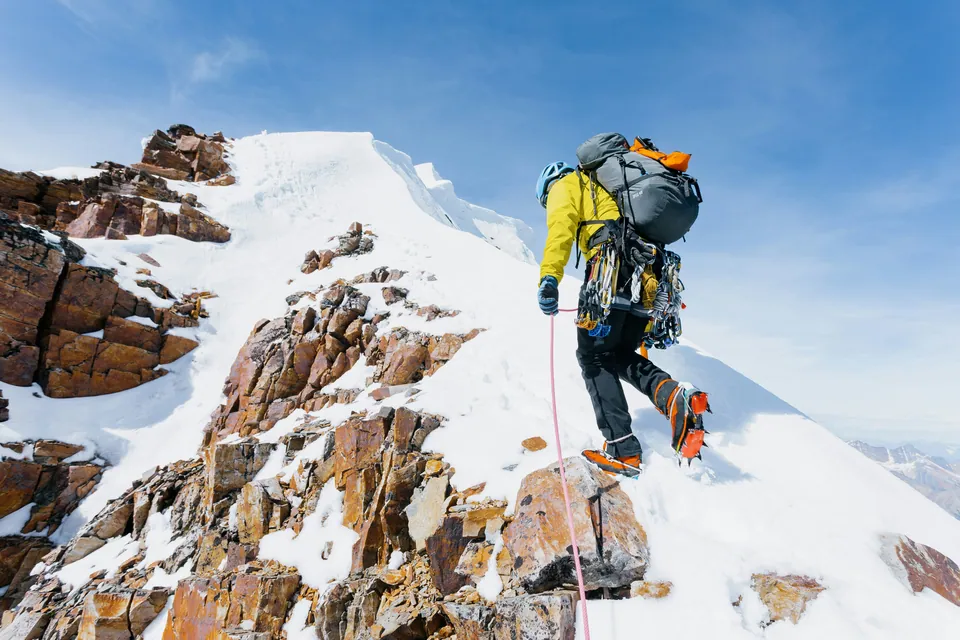
Spellbinding summits and mortal danger: mountaineering is as captivating as it is demanding. We look back at its history, its mental benefits and its very real risks, and explore the finest mountain ranges in France to start out in.
Contents
A Fascinating Contradiction
Mountaineering is far more than a sport or a way of getting outdoors. It is a journey into yourself, a deeply personal adventure in which you come up against your own limits. It means facing wild nature head-on, sometimes brutally. What has always fascinated people is this strange contradiction: why are we so drawn to an activity that combines sublime landscapes with mortal danger and physical suffering?
As Much an Intellectual Story as a Sporting One
The history of mountaineering shows that this quest is not only about sport, but about the mind too. Summits were once seen as cursed places, but that changed during the Age of Enlightenment. The first ascent of Mont Blanc in 1786, for example, was driven by science, notably the desire to take weather readings. This tradition of scholarly exploration continued with the founding of the Club Alpin Français in 1874 by intellectuals who believed that people should climb mountains not just for the achievement, but to lift the spirit and understand the terrain.
Even today, the joy of climbing comes from a deep sense of accomplishment. Completing an ascent releases endorphins and dopamine in the brain, bringing an intense happiness that makes you want to do it all again. This is often called the "flow" state: a moment when you are so absorbed in the present that all the worries of everyday life melt away.
Dangers You Should Never Underestimate
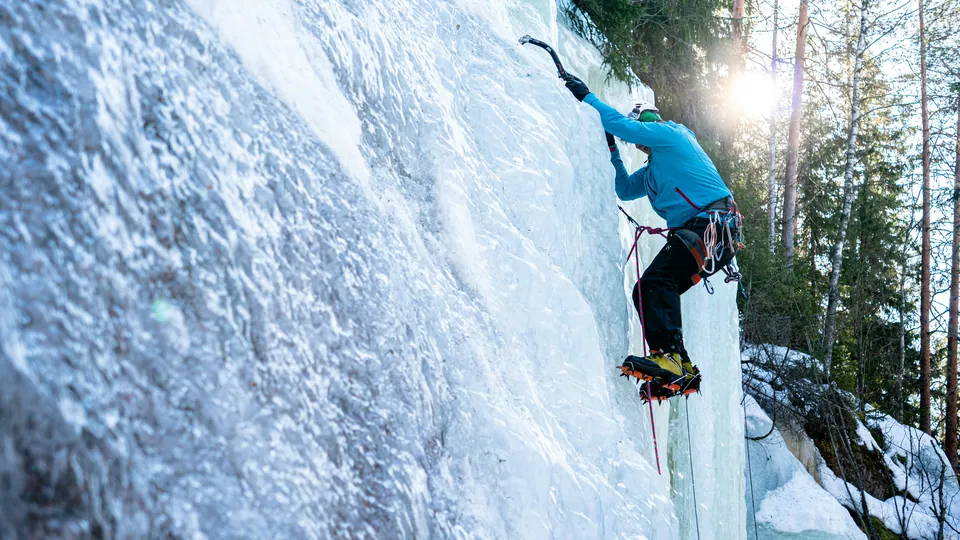
However, this beauty has to be earned, and it comes with very real dangers. The mountains can be a deadly environment. Altitude brings a lack of oxygen that can make you ill very quickly. The weather can change in the blink of an eye, turning a beautiful day into an icy storm. Avalanches are the ultimate winter hazard: if a climber is buried, they have on average just twelve minutes before the risk of asphyxiation.
But the greatest danger often comes from the climber. Fatigue, group pressure, or refusing to turn back when the summit is close are mental traps that cause many accidents. That is why mental preparation has become as important as physical training.
France, an Exceptional Playground
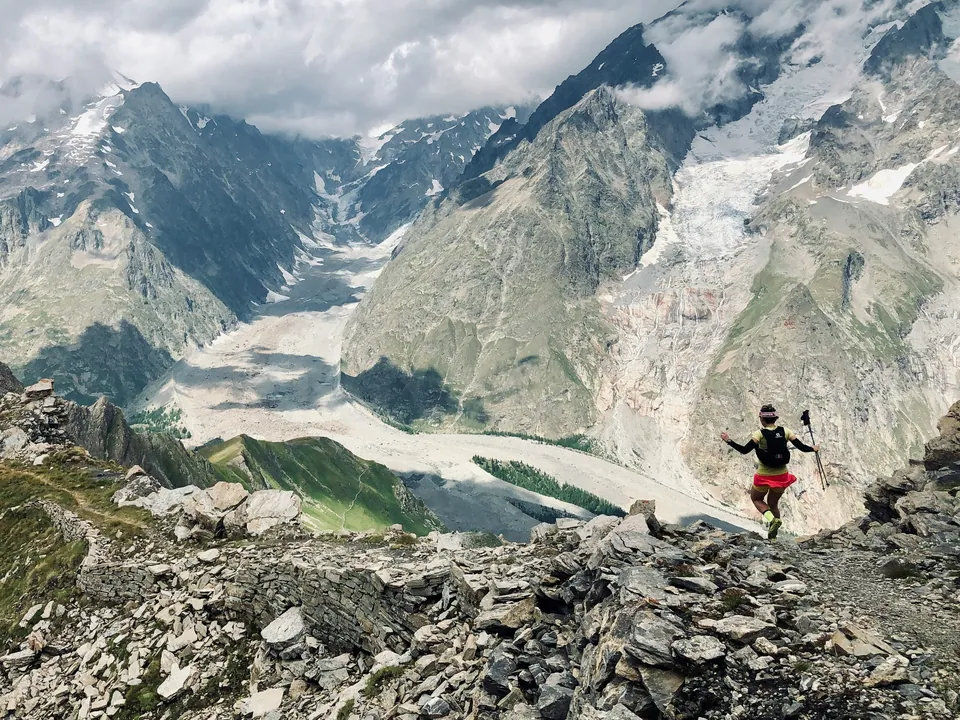
France offers exceptional terrain for mountaineering, with far more variety than the Alps alone. Each range has its own character and its own risks:
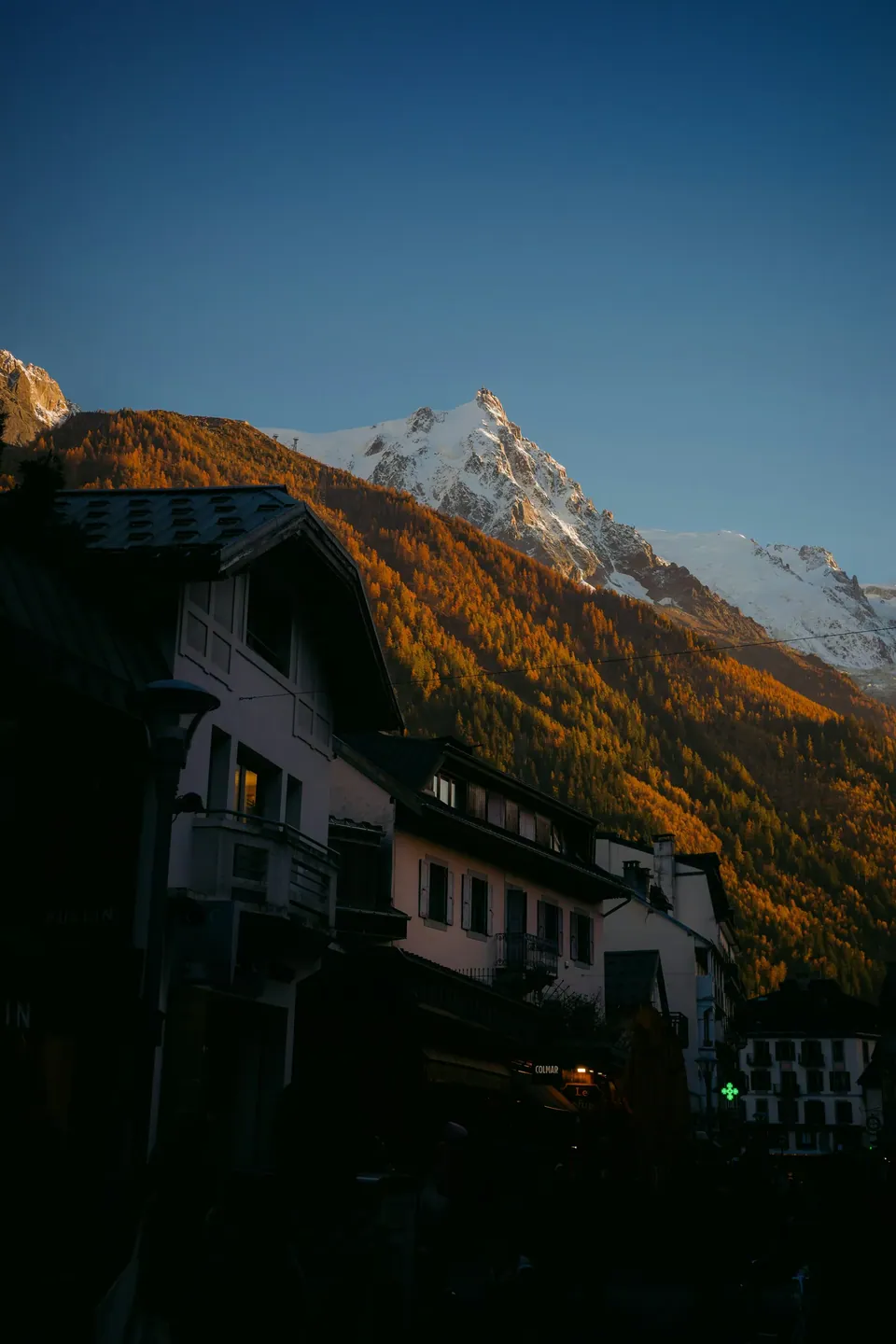
The Alps — The legendary heartland, home to Mont Blanc and the Barre des Écrins, with glaciers and high altitude.
The Pyrenees — Wilder and more remote, with difficult navigation and rock that can be fragile.
The Massif Central — Violent winds and fast-forming ice, formidable despite modest altitude.
The Vosges — Very steep gullies such as the Dagobert gully, where black ice can be fatal.
The Jura — A far-north atmosphere, but limestone pavements hidden beneath the snow remain dangerous.
Corsica — Unique mountaineering on conglomerate rock with the Paglia Orba, but sudden thunderstorms are common.
A School of Humility
In conclusion, mountaineering remains a school of humility. It is a wonderful sport because it offers unique emotions and incredible views that few people ever get to see. But it is also an unforgiving sport, where mistakes come at a high price. It is precisely this blend of risk and beauty, this need to stay alert and humble in the face of a nature far greater than ourselves, that makes every return to the valley so precious — like a small victory over yourself.
Automatically translated from French.
Book your experience
 Climbing New