Hiking
Ski touring and trail running: two sports that go hand in hand
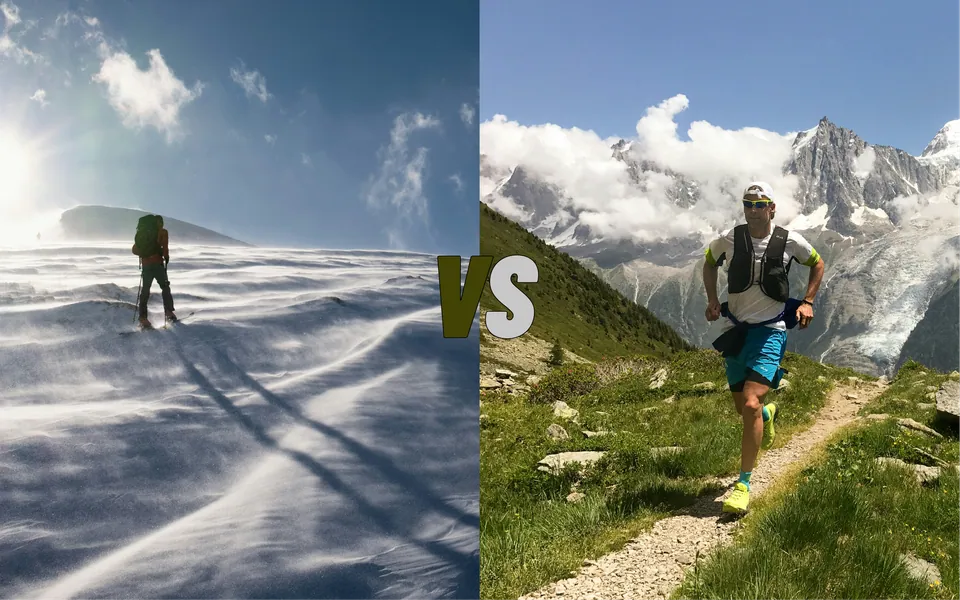
Trail running and ski touring: two sports that feed off each other. From endurance to muscle strength to joint health, find out how adding ski touring to your training could transform your performance on the trails.
Contents
The mountains are no longer something we divide up by season. They are a dynamic playground that calls for a multi-sport approach. For anyone looking to push their limits on the trails, the line between trail running and ski touring has gradually faded, giving way to an "athletic continuity" between the two. Elite athletes in both sports have led the way, and some of them perform just as well in summer as in winter. Seeing so many top athletes do both, a great many amateurs have followed suit. To get the most out of your fitness, training across disciplines has become the norm.
So let's look at why ski touring has become the trail runner's best ally.
A shared foundation: endurance
The first thing trail running and ski touring have in common is the heart. Both sports demand huge endurance. They rest on the same physiological foundation: the ability to sustain a hard effort over a long time. By ski touring, you maintain and improve your maximal oxygen uptake, the famous VO2 Max (your body's ability to use oxygen), throughout the winter. And because ski touring often takes place at altitude, between 1,500 and 3,000 metres, your body learns to work with less oxygen. It produces more red blood cells to carry oxygen to your muscles, which will be a huge advantage when you lace up your trainers again in summer.
Kinder on your joints
Beyond your breathing, ski touring offers an invaluable benefit for the health of your joints: it involves no impact. When you run, every stride sends a shock wave through your body equal to three times your weight. Over time, this tires your tendons and joints. Ski touring, by contrast, is a smooth, gliding movement. This makes it possible to train in very high volumes, sometimes with outings lasting several hours, without putting your body under strain. It means athletes can keep training hard through the winter season while their joints rest and recover.
Complementary muscle work
When it comes to muscles, skiing is a perfect complement because it works your body in a different way. Climbing on skis puts a lot of demand on the posterior chain, that is your glutes, hamstrings and quadriceps. This lower-body work will help you on steep climbs when trail running. What's more, the poles you have to use when skiing build upper-body strength, especially in your back and shoulders.
For this pairing to work, though, you need to plan well. Ideally, the year is split into several phases. Autumn is the time to prepare your legs with strength work such as squats, to get your thighs used to the effort. Winter is then devoted to volume: you make the most of the snow to do long, low-intensity outings, which are a great replacement for long runs. Finally, in spring, the transition needs to be very gradual. Even if your heart is in top shape thanks to skiing, your tendons are no longer used to impact with the ground, so ease back into running on softer terrain.
Safety: an essential point
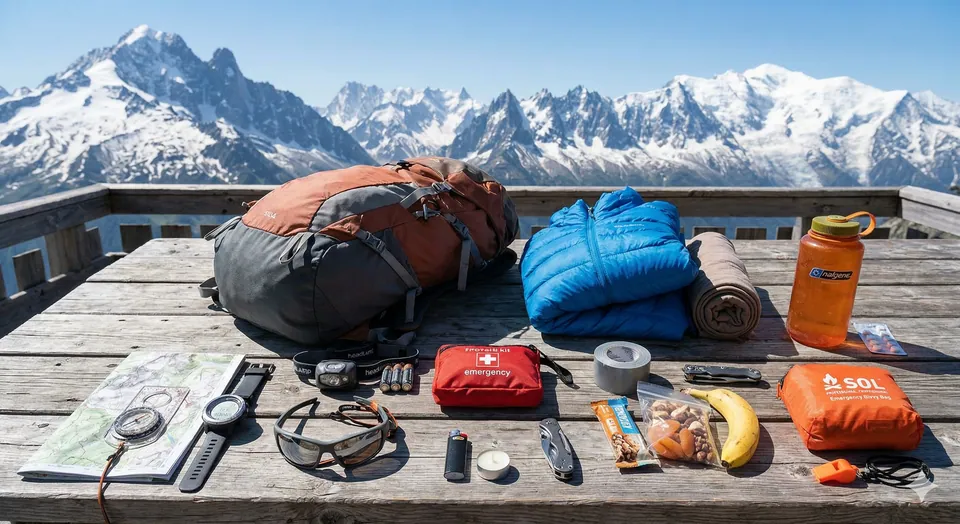
We felt it was vital to remind you that ski touring is not simply "trail running on snow". It is a discipline practised in a complex environment where the risk of avalanche is real. Unlike trail running, where a survival blanket is often enough, ski touring requires specific safety equipment: an avalanche transceiver (DVA), a shovel and a probe. You must carry this equipment on every outing off marked routes, and above all, you must know how to use it.
Automatically translated from French.
Book your experience
 Ice climbing New
Chamonix-Mont-Blanc · Northern Alps
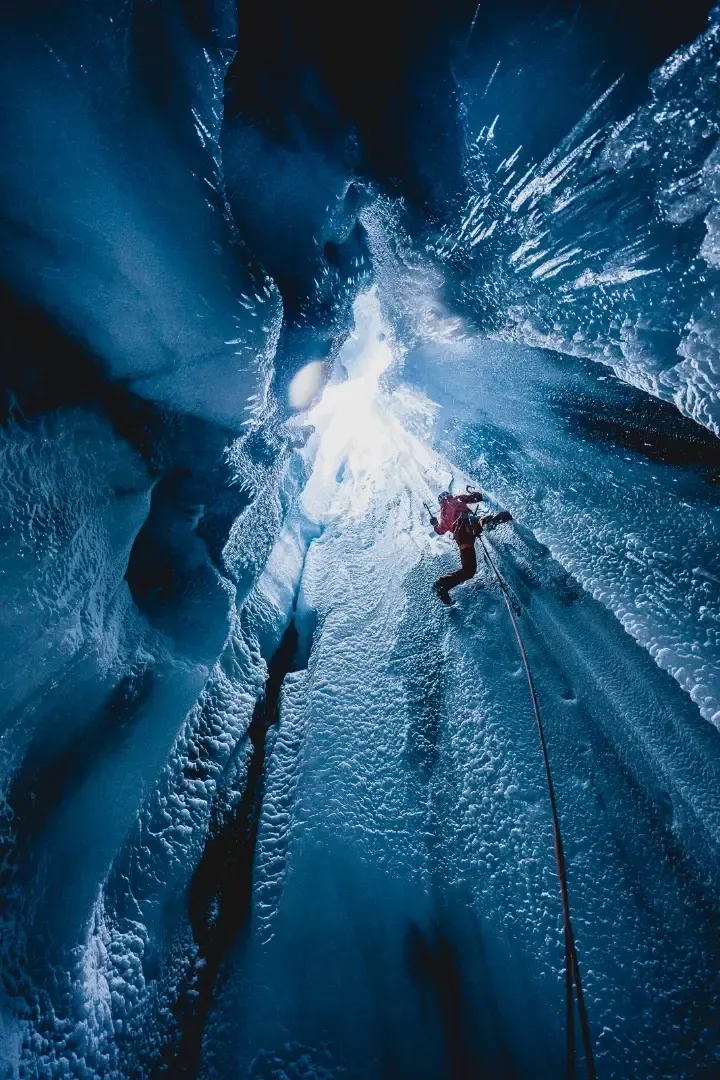
Climbing in the moulins of the Mer de Glace
From €660 / person
 Nature discovery New
Chamonix-Mont-Blanc · Northern Alps
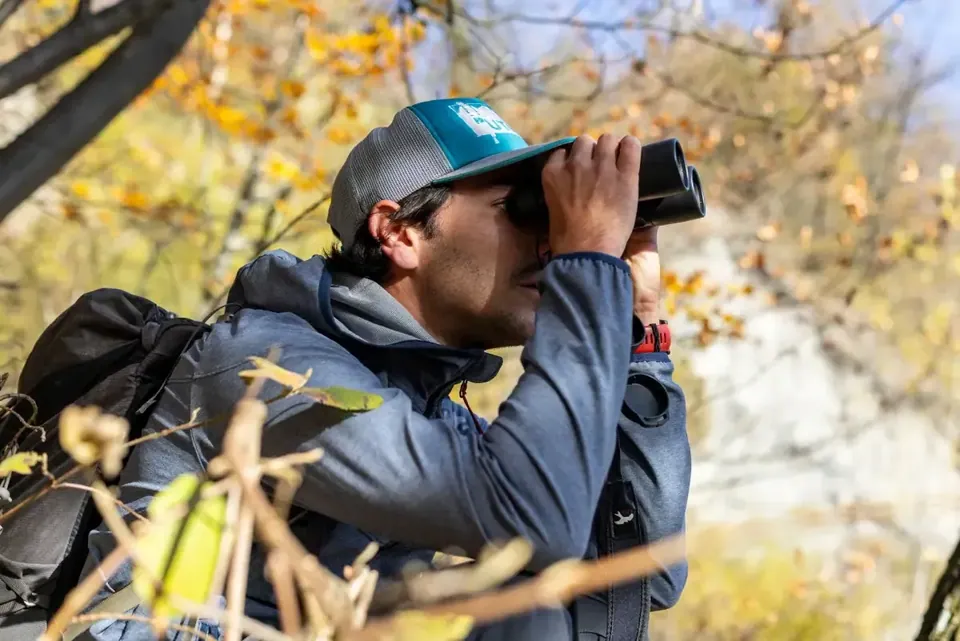
Discover the ecosystems of our mountains
From €53.90 / person
 Mountain biking New
Chamonix-Mont-Blanc · Northern Alps
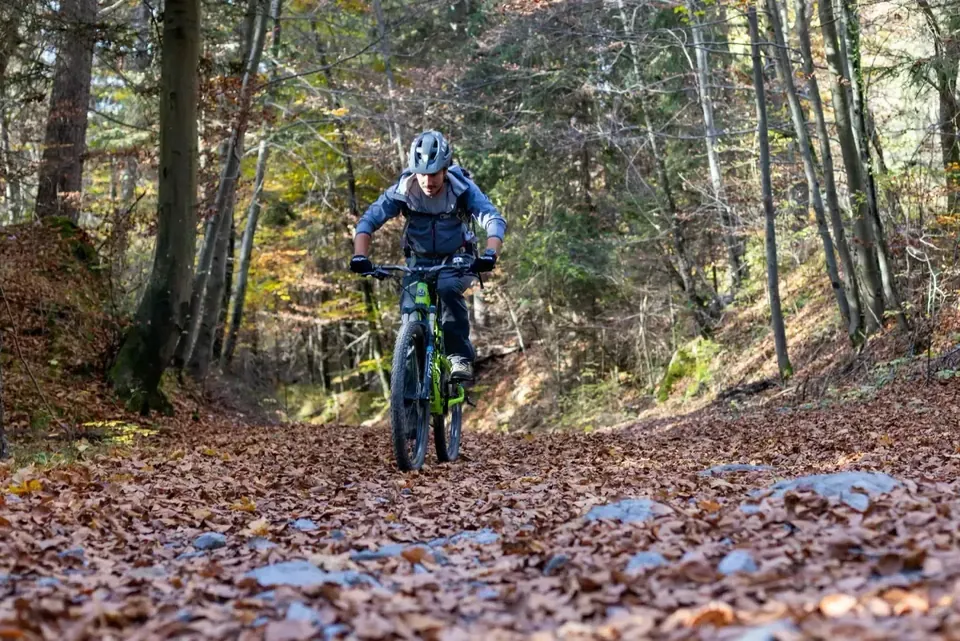
Mountain bike skills course in Chamonix
From €152.90 / person
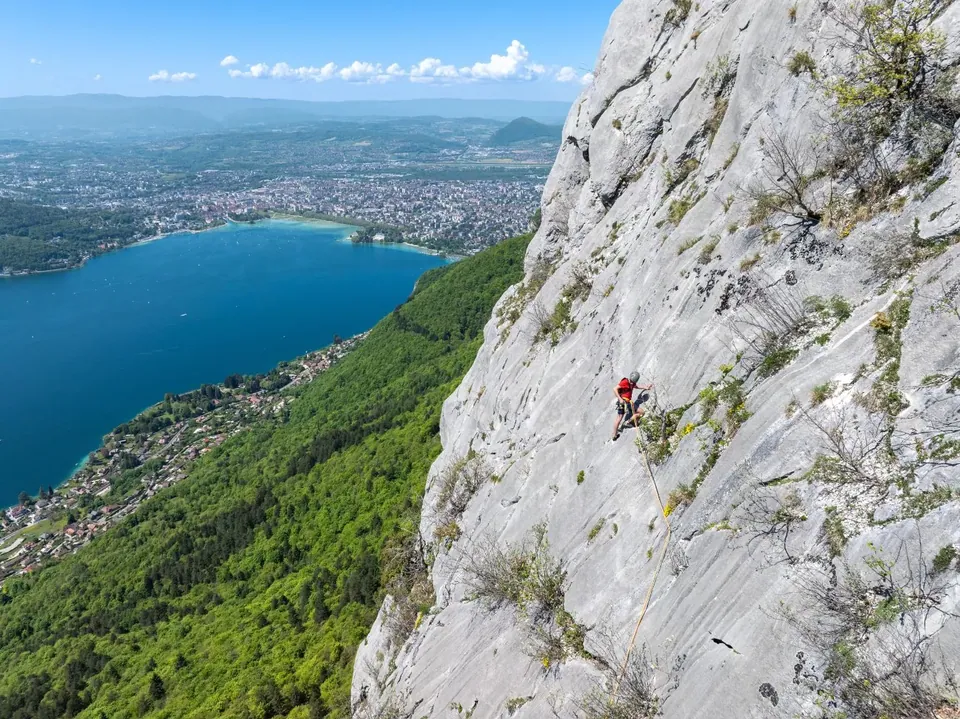 Climbing New
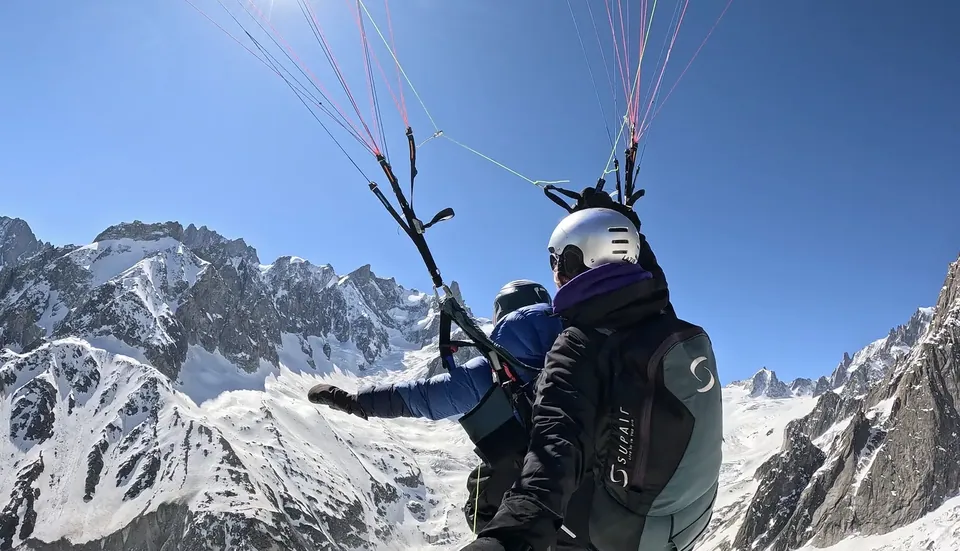 Paragliding New
Chamonix-Mont-Blanc · Northern Alps
Paragliding flight from the Plan de l'Aiguille
From €176 / person
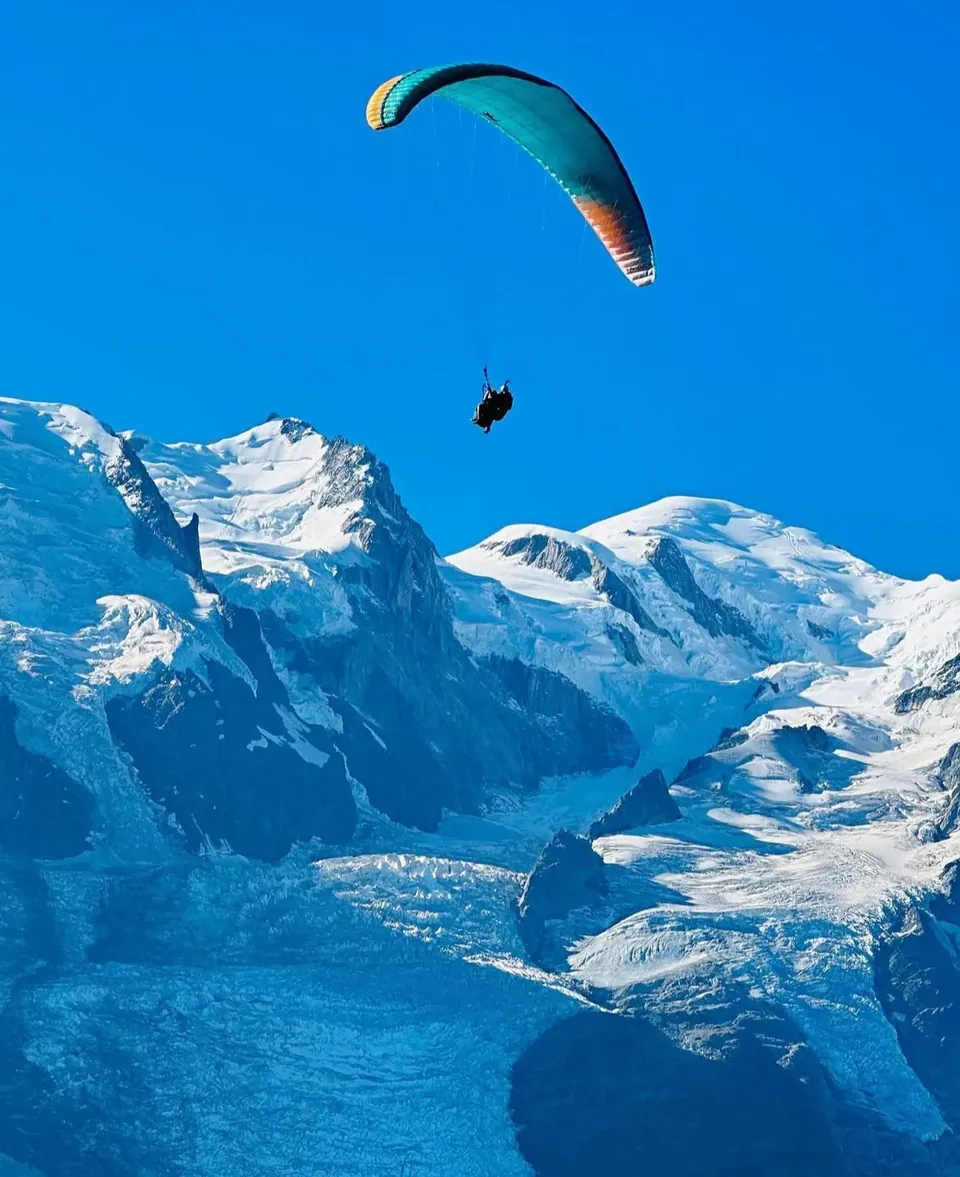 Paragliding New
Chamonix-Mont-Blanc · Northern Alps
Tandem paragliding flight with views of Mont-Blanc
From €165 / person